Sunbelt
Long Afternoons on the Baseline
From bleached municipal courts to dusty desert main streets, a new generation is rewriting the rules of summer — one serve, one stroll, and one roll of slide film at a time.
There is a particular hour, somewhere past four o'clock, when the light on a tennis court stops being merely bright and becomes something closer to syrup. The chain-link fences glow. The painted lines soften. Every backhand seems to hang in the air a half-second longer than physics should allow. It is the hour photographers wait for, and the hour when the game itself seems to slow down and pose.
We spent three weeks this June chasing that hour across the Sunbelt — from the public courts of Bakersfield to a roadside lot outside Tucumcari where the parked sedans outnumber the customers two to one. What we found was not the country-club tennis of the television broadcasts. It was something looser and sunnier: pleated skirts and canvas sneakers, wooden racquets with fraying grips, and a confidence that belongs entirely to the young.
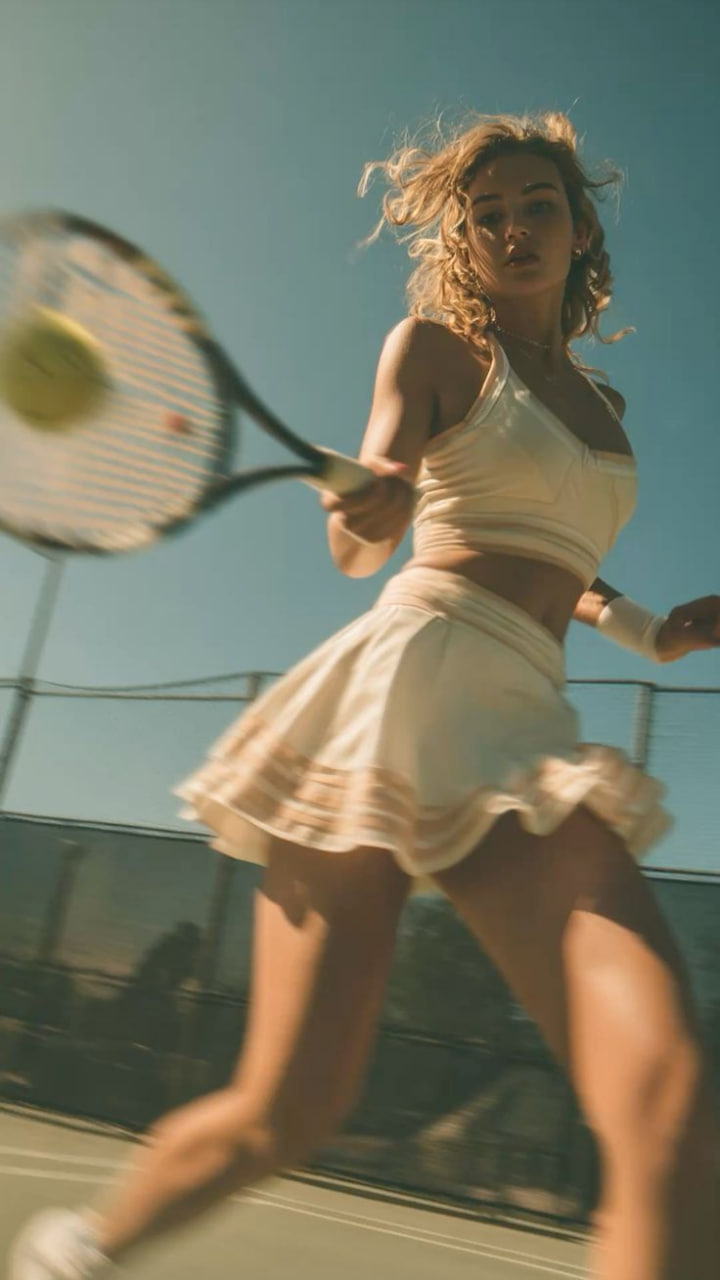
Nobody here takes lessons. The stroke is learned from an older cousin, or copied off a magazine photograph taped inside a locker door, or simply invented on the spot out of necessity and nerve. Coaches would wince at the grips. But watch a rally go twelve shots deep on a court with weeds in the doubles alley, and you begin to suspect the coaches are missing the point.
The uniform is improvised too. Whites, yes — but sun-softened, hand-hemmed, worn with high canvas sneakers and a wristband borrowed from a brother. The effect is less Wimbledon than Saturday matinee, and it photographs like a dream.
.jpg)
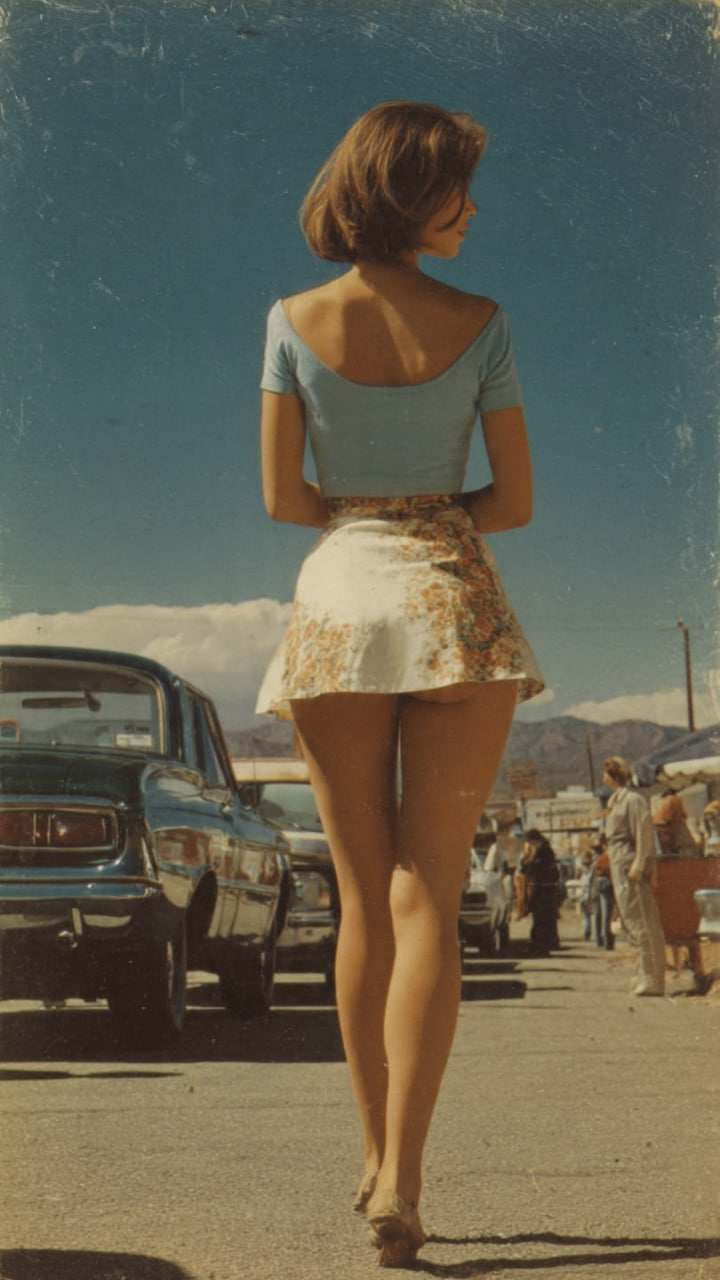
Follow the players home and the story widens. The road out of town runs past used-car lots and fruit stands, past awnings that have been repainted the same shade of orange every spring since Eisenhower. Here the afternoon belongs to walkers — to anyone unhurried enough to let a whole street watch them pass.
Our film stock — a slow slide emulsion pushed a half-stop — gave these street frames their honeyed cast. The lab offered to correct it. We declined. Some colors are truer wrong.
The Photographer's Kit
- 35mm rangefinder, 50mm lens, no meter
- Slow slide film, pushed half a stop
- One yellow filter, mostly forgotten in a pocket
- Patience, roughly two hours per frame
By seven the courts empty and the street cools and the light finally gives out, going from syrup to rosewater to nothing at all. The players walk home swinging their racquets at moths. Tomorrow the sun will do the whole performance again, whether or not anyone brings a camera.
We suggest bringing the camera.